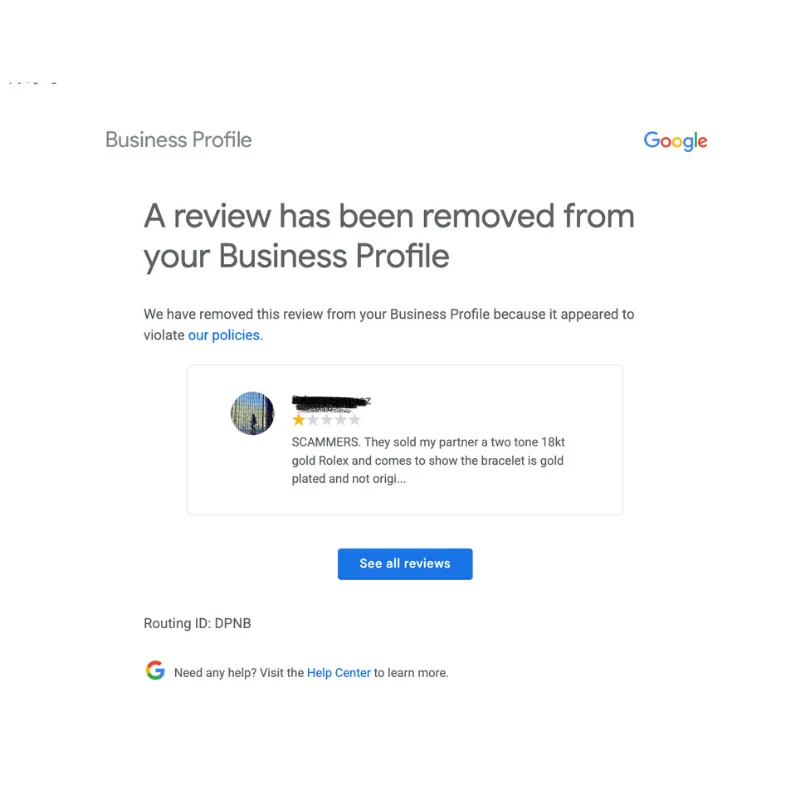
PR Shield: Avoid Review Removal Scams & Fix Your Reputation in 2026
We recently attended Podfest, and while the energy was incredible, I noticed a familiar theme in a lot of the conversations about visibility, which reminded me of countless conversations I've had with business owners. Whether I was talking to a seasoned podcaster or listening to a presentation about audience growth, a common question kept coming up: "What can be done about 1-star reviews? Can I just pay someone to make it go away?"
It’s a tempting thought. But before you open your wallet, you need to hear the truth: If a company guarantees that it can remove a negative review from Google, Yelp, Apple Podcasts, or most any other platform for a fee, that's a huge red flag because those platforms have built their billion-dollar reputations on trust. If they allowed people to buy their way out of bad feedback, that trust would vanish overnight. Oftentimes, these "negative review eraser" companies are simply reporting the review, then gambling on whether or not it is taken down (at which time they charge the business hundreds of dollars).
How Podcasters and Businesses are in the Same Boat
At first glance, a coffee shop and a True Crime podcast don't have much in common. But in the digital economy, they are both fueled by social proof.
For the Business Owner: A single 1-star review on Google can tank your "near me" search ranking.
For the Podcaster: A string of bad reviews on Apple Podcasts can keep you off the "New & Noteworthy" charts.
Because the stakes are so high, both groups are prime targets for "Reputation Fixers" who send a generic dispute form or, even worse, scammers who post negative reviews and then extort the business owner for payment in exchange for taking them down. It's a growing problem.
The PR Shield Strategy: Don't Delete, Dominate
Instead of chasing a "fake clean slate," we teach our clients a three-step process to build a reputation infrastructure that fortifies their position, increases their visibility, and helps navigate the vulnerability:
Understanding Compliance: Anyone can investigate platform guidelines to identify reviews that violate terms—such as harassment, hate speech, or spam—and report them for removal. There's no associated cost and login isn't required. Our clients see a very high success rate in getting negative reviews taken down but there's no magic to it—just a combination of world-class technology and humans at the helm. While AI can flag potential issues, our team personally reviews flagged items and reports policy-violating reviews on behalf of our clients. We regularly see negative reviews removed because our team knows exactly which policy was violated and how to articulate it to the platform directly.
Flip the Narrative: A public, professional response to a critic often impresses future customers more than a 5-star review ever could. To do this effectively, follow these rules:
Disable Auto-Replies: Never use automated tools for negative feedback. Templated responses feel cold and dismissive to an upset customer.
Report Before You Reply: If a review is abusive, report it first. Take a screenshot for your records and wait a few days for the platform to act before posting your public response.
Keep it Brief and Professional: Your goal is to show future customers that you are responsive. Move the conversation offline quickly.
Sample Response: "Thanks for your feedback and for giving us the opportunity to serve you. We take all concerns seriously, and a member of our leadership team would be happy to speak with you directly. Please feel free to reach out to [Contact Info]."
Mobilize Your "Silent Majority": The best way to kill a 1-star review is to bury it under twenty 5-star reviews, but thinking in this way can be the reason for a common mistake--asking friends and relatives for a positive review. These sudden spikes in activity often trigger platform fraud filters and can lead to even more trouble. Instead, you need a consistent, automated system that makes 'the ask' a natural part of your daily workflow.
The Rise of "Review Weaponization"
We are entering a new era where reviews are being leveraged—and often weaponized—against creators and business owners alike. It’s no longer just about a disgruntled customer; it’s about a calculated tactic. Often, the negative review is posted with a competitor or disgruntled employee. But that's not the worst of it—sometimes, scammy companies now use bot networks to flood profiles with negative reviews, then contact the victim hours later with an offer to "pay for a solution" for a fee. No matter the reason why, there's an increasing concern about the weaponization of reviews and as these tactics become more automated and prevalent, understanding the official, free channels for dispute is your only real defense.
The Official "No-Pay" Removal Roadmap
Google Business Profile
Official Link: Google Business Support
The Rules: Only removes reviews that violate strict policies like spam, fake content, conflict of interest (competitors), or harassment. They will not remove a review simply because you disagree with the customer's opinion.
Yelp
Official Link: Yelp for Business
The Rules: Reviews must violate Yelp’s Content Guidelines. This includes hate speech, hearsay, or threats. Yelp famously refuses to remove reviews for advertisers, so don't fall for the "we can fix it if you pay" line.
Apple Podcasts
Official Link: Apple Partner Support
The Rules: Use the "Report a Concern" button within the Apple Podcasts app or dashboard. They generally only act on reviews that contain abusive language, offensive content, or illegal material.
Spotify
Official Link: Spotify Reporting Form
The Rules: Since Spotify currently only uses star ratings without text, "removal" is rare. However, you can report suspected rating manipulation or bot activity if you see a sudden, unexplained drop in your score.
Trustpilot
Official Link: Trustpilot Help Center
The Rules: You can flag reviews if they contain personal information, promotional material, or if you can prove the reviewer never actually had a genuine experience with your brand.
Tripadvisor
Official Link: Owner Support
The Rules: They allow disputes for blackmail/extortion, spam, or reviews accidentally posted to the wrong property. They are particularly aggressive about investigating blackmail claims if you have proof of the threat.
You've Put Everything into Building Your Brand. Maybe it's Time to Invest in Protecting it.
Your business reviews are more than just a scorecard; they are the receipts for the promises your brand has kept. You cannot control every random comment on the internet, but you can control the systems you have in place to handle them. A resilient brand isn't one with zero negative feedback—it's one that handles it with such professionalism that the "hater" ends up looking like the outlier.
Ready to stop playing defense and start building a bulletproof reputation? Don't let scammers dictate your brand's story. Our platform provides world-class tech, backed by real experts who advocate for you. Click here to get your Free Online Visibility Report or visit PRShield.com to learn more and see exactly how your brand appears to the world—and where we can help you strengthen your shield.

