AI Search Visibility: A Founder's Guide to Building Trust | PR Shield
"I Googled Myself, and I Might As Well Not Even Exist": How to Survive the AI Search Era
"I'm un-findable, and my business is suffering."
"ChatGPT gives my competitor's name instead of mine."
"My competitors are growing while I struggle—and I am better than them at what I actually do."
If you have caught yourself saying any of these things recently, you are not alone, in fact I feel like I speak to people every day who are in he same boat, so I'm here to assure you that you are not behind, and you certainly are not bad at what you do, you are simply running a real business in a search environment that just rewrote its own rules.
Losing customers to someone who isn't better than you, but it is easier to find online, is one of the most frustrating, yet preventable, failures in business today. Here is a candid look at what has actually changed in search, how these new systems process your digital footprint, and how you can reclaim your visibility.
The Big Shift in Search
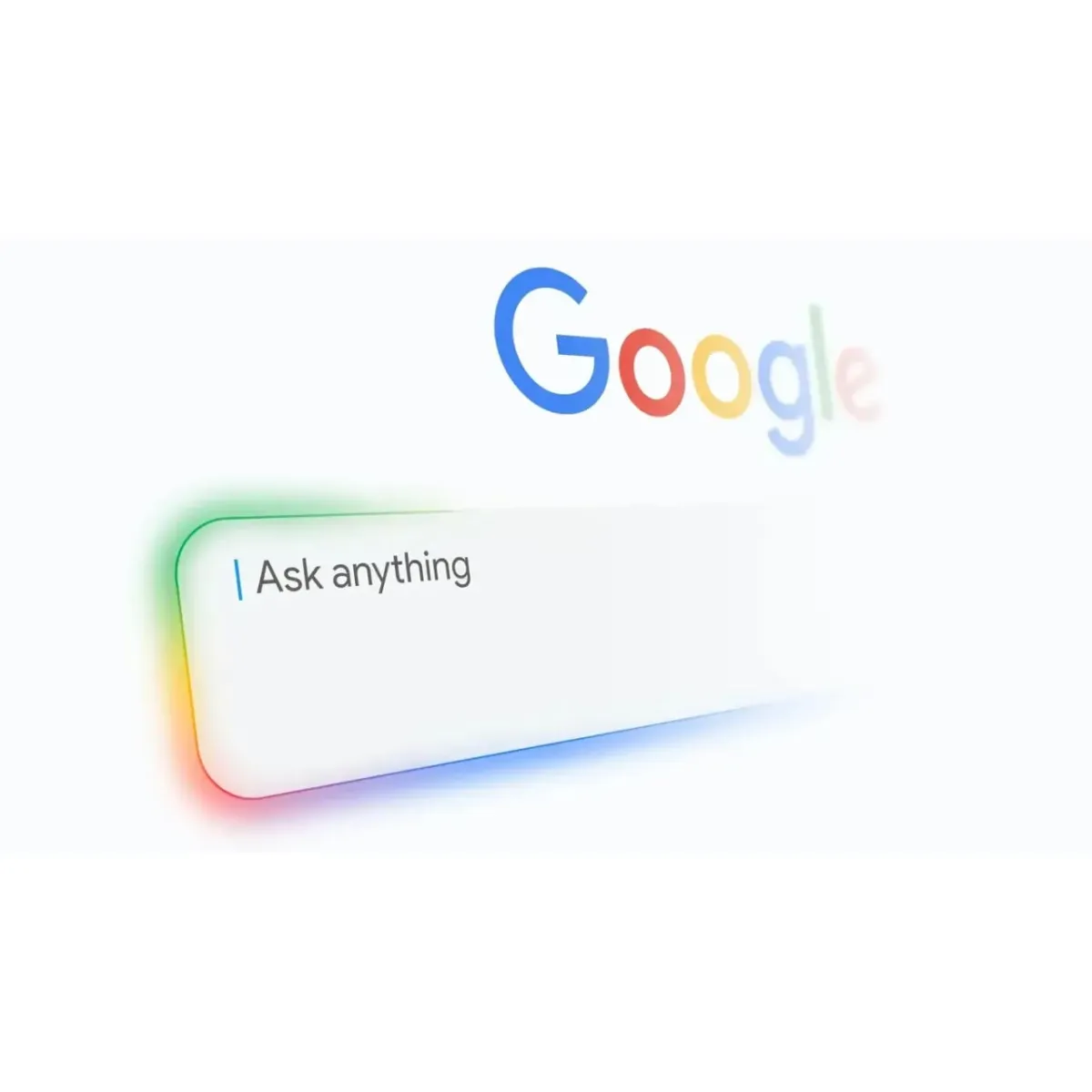
Google has now announced a sweeping redesign of the search box itself, the literal text field where billions of queries begin every day, transforming it from a simple keyword input into a dynamic, AI-driven conversation starter that can accept text, images, PDFs, videos, and even open Chrome tabs as inputs. The company is also merging its AI Overviews and AI Mode features into a single, seamless search flow, eliminating the friction that previously forced users to choose between a traditional results page and an AI-forward experience. The results page is no longer just a list of blue links; it is rebuilt around synthesized, AI-generated answers, custom dashboards, and background agents that monitor topics for users.
This really matters to businesses and brands because, for the person searching, this is a faster, frictionless experience. For businesses on the other side of the screen, the reality is stark. Publishers are seeing traffic drop anywhere from 25% to 89% because the majority of searches now end with "zero clicks." The user gets their answer directly from the AI and never visits a website.
If the AI answers the question without sending anyone to your site, how will people actually find you?
The Myth vs. The Reality of "AI Optimization"
Panic often breeds predatory solutions. Right now, small businesses are being flooded with ads for new "AEO" (Answer Engine Optimization) specialists, complex new acronyms, and expensive courses promising to hack AI overviews.
Here is what Google itself is saying about all of that: don't.
You do not need a separate AI optimization strategy. You do not need special AI files like llms.txt, and you do not need to rewrite your content into robotic "chunks."
The "AI Hacker" Myth vs. The Grounded Reality
Buy expensive AEO courses to rank --> Stick to core web fundamentals.
Create specialized AI files for bots to read.--> Use clean structure and semantic HTML.
Mass-generate AI content to cover keywords.-->Write human, first-hand, experience-driven content.
Search engines view mass-generated, soulless content as "scaled content abuse." It won't just fail to rank; it will actively hurt your site's reputation. What you actually need is a technically healthy, crawlable site with content written by a human being who has genuinely lived the work.
The Secret Signal Nobody is Talking About
Having a great website is what we've been told for years, but it is incomplete advice. In an AI-first search environment, your own website is one of the weakest signals you have because AI is no longer just reading your website; it is triangulating your identity. The system is programmed to ask:
What does this business say about itself?
What does the press say?
What do verified customers say?
What shows up in neutral, third-party sources?
If the only place you exist online is your own website, you look like an unverified claim. AI is built to deselect unverified claims to prevent misinformation. If it cannot find proof that you are who you say you are, it simply features the louder competitor with a verifiable track record.
Bridging the Gap: E-E-A-T and ELEVATE™
Google's quality framework for machines is known as E-E-A-T (Experience, Expertise, Authoritativeness, Trustworthiness). It is the baseline for algorithmic credibility. But machines and humans process trust differently.
To satisfy both the algorithms triangulating your value and the real people looking to hire you, I developed the E-L-E-V-A-T-E™ framework. These seven dimensions represent the exact signals AI systems now read, like earned press, podcast appearances, and verified reviews, to decide whether to feature you:
E - Experience: Lived wisdom, not just scraped data.
L - Leadership: Calm, clear communication under pressure.
E - Expertise: Knowledge in action, confirmed by tangible results.
V - Vulnerability: Visibility invites exposure, requiring strategic protection
A - Authority: Earned recognition from peers, stages, and the press.
T - Trust: Integrity over time; doing what you say you will do.
E - Empathy: Because, ultimately, real people trust real people.
The Bottom Line
You are not invisible because you lack talent. You are invisible because the new search environment rewards those who have built verifiable, third-party proof of their work. But the good news is that you can start today and catch up.
You need placements on credible outlets, verified reviews on platforms AI actually reads, podcast appearances, and speaker credits. You can do some of this yourself, but building and protecting this credibility is exactly why modern public relations exists, so we've built a free community that gives you access to professional publicists as well as other like-minded brand leaders.
Credibility is currency. Protect what you promote, build your verifiable proof, and don't try to navigate the AI era alone.
About the Original Author
Cyndee Harrison is the founder of PR Shield® and host of Publicist in Your Pocket—the podcast democratizing crisis communications tools for founders, creators, and small business leaders. You can start with a free reputation audit (including AI search results) at prshield.com.